
Futures - Vadeli Piyasalar
Vadeli işlemler, or futures, are built around trading the future price of an asset. They give investors more exposure through leverage, which also makes risk and margin much more important to understand.
For many retail investors, futures were still tied to complex bank interfaces and assisted trading. Vadeli Piyasalar made that experience clearer and self-serve on mobile.
- Company
- Midas
- Role
- Product Designer
- Timeline
- Jan ‘26 → Apr ‘26
My Role
I designed the overall Vadeli işlemler experience with an associate designer, shaping the product from early flows into a beta-ready mobile experience.
My focus was to make futures trading more understandable and self-serve, from account opening and onboarding to contract discovery, trading, risk status, and post-trade management.
Scope
Workflow
We started by mapping the core user flows, then designed key screens and interactive prototypes to explain complex trading scenarios.
We used quick prototypes, guerrilla testing, and beta feedback to understand where users felt unsure and improve the experience.
Other designer focused on cash and collateral flows, including topping up the VIOP account balance needed to place trades.
02 / 09
Purpose
Research with potential futures traders revealed that new users were interested, but often did not know where to start, or felt blocked by leverage, collateral, and risk. Experienced users, on the other hand, cared about fast execution, reliable interfaces, order types, position tracking, and clear margin visibility.
The purpose was to make futures trading clearer for people who were new to the market, without making it feel limited for users who already knew how to trade.
Learning Investor
- Guidance before taking risk
- Understanding how leverage works
- Margin and risk made visible
Active Trader
- Speed and control
- Reliable order flows
- Position and PnL visibility
03 / 09
The Challenge
Vadeli işlemler is a high-risk market that has usually been served through banks, brokerage terminals, and representative-led workflows.
The challenge was to turn this into a self-serve mobile experience without hiding the complexity. Users needed to understand leverage, required margin, collateral balance, risk status, and what could happen after opening a position.
This meant the product had to explain the market when needed, stay transparent around risk, and still feel fast enough for daily trading.
Local benchmark
Midas
- Manual support
- Self-serve position management
- Assisted onboarding
- Guided account opening
- Hidden margin logic
- Visible collateral and risk
- Complex terminals
- Clear mobile flows
04 / 09
Adoption
Before users could trade, they needed to open a Vadeli işlemler account and understand the basics of futures trading.
Midas has a history of elevating retail users into derivative markets, as seen with products like options and warrants. Vadeli Piyasalar continues this approach by guiding users into a more complex market with the right level of context and support.
The onboarding flow introduced what VIOP is, how leveraged contracts work, why collateral is required, and what users should pay attention to before opening a position.
The aim was to reduce uncertainty at the beginning of the journey and help users enter the trading flow with more confidence.
05 / 09
Opening Position
After onboarding, users needed a clear path from discovering a contract to opening a position.
Because futures trading involves leverage, the order flow had to be open about what users were committing to: the contract value, the margin required to open the position, and how leverage could increase both potential gains and losses.
The goal was to help users place orders with confidence, not by hiding complexity, but by showing the right information before they confirmed the trade.
06 / 09
Managing Positions
We introduced a vertical page pattern starting from Vadeli Piyasalar.
Instead of spreading futures information across disconnected screens, users could view contracts, open positions, PnL, account risk, collateral balance, deposits, and transaction history in one structured place.
This created a dedicated market page where users could both trade and manage what happens after trading.
07 / 09
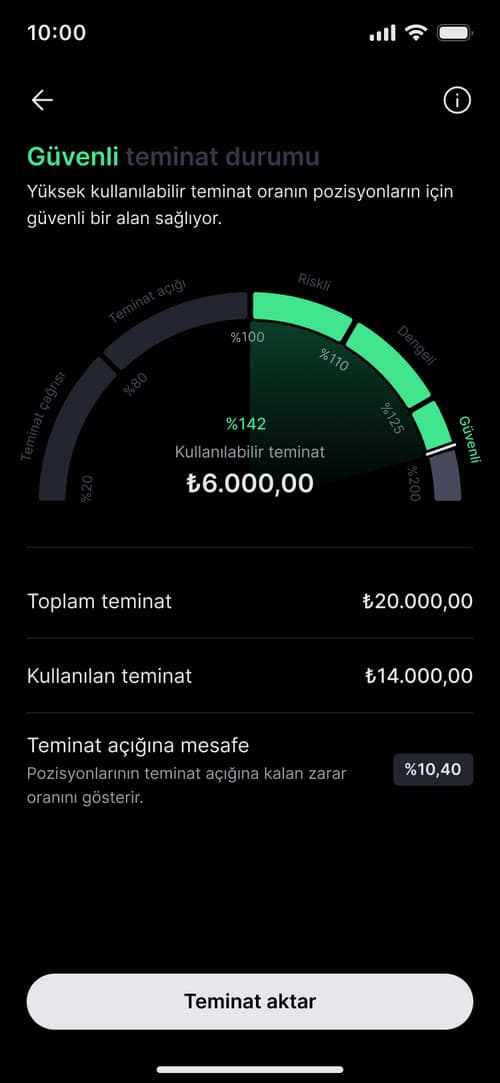
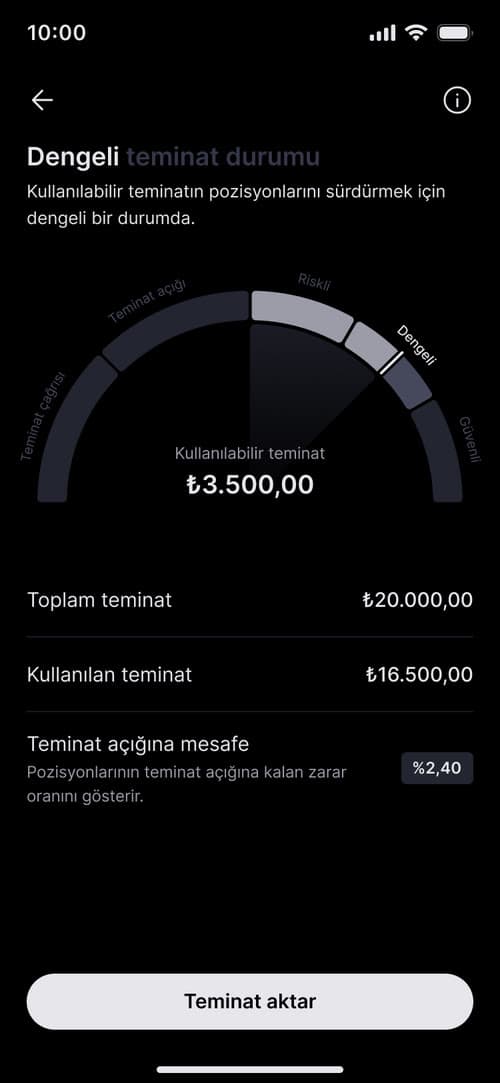
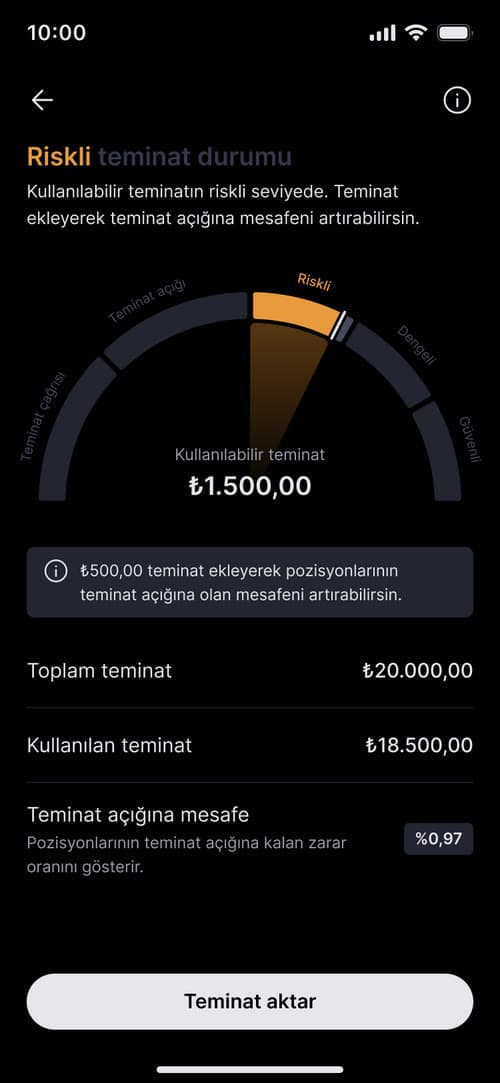
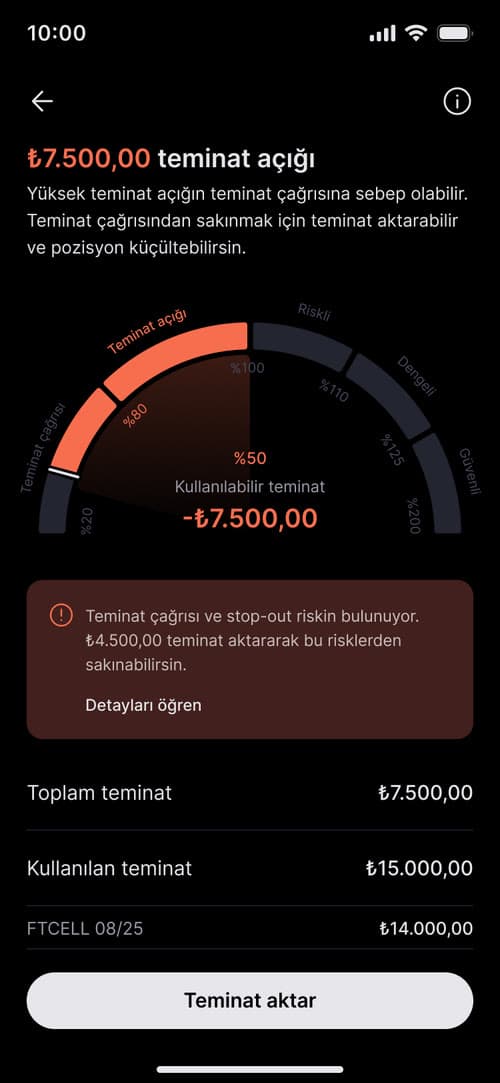
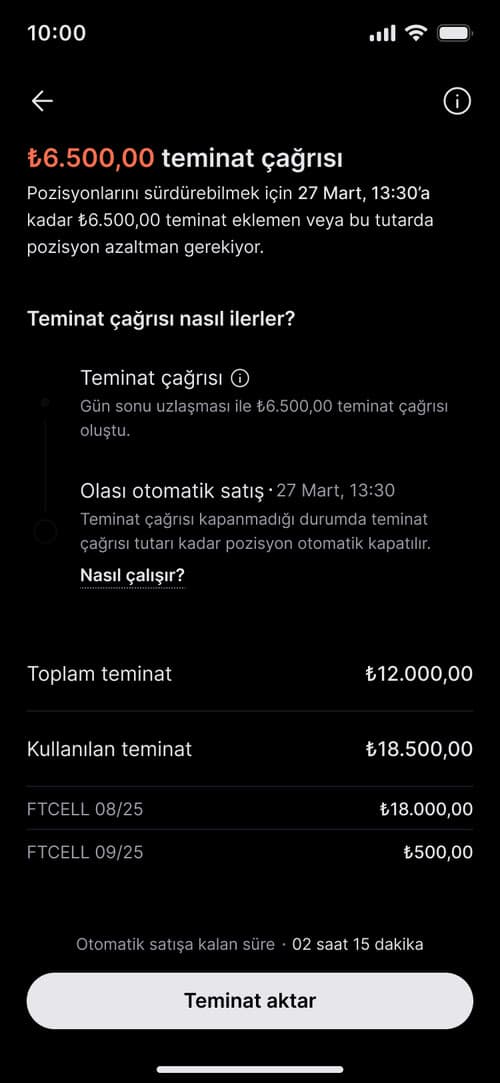
Collateral Risk Status
In futures trading, users need to understand how their collateral changes after opening a position.
I designed a dedicated risk status page where users could track available collateral, used collateral, margin call distance, and the positions affecting their account risk.
When risk status changed, push notifications helped users react in time by transferring collateral or reducing positions before reaching a critical state.
No margin call cases since beta and full launch.
08 / 09
Outcome
VIOP showed strong early demand, especially from users who were new to the market.
17,496 users opened a VIOP account, and around 80% were opening one for the first time. The biggest activation challenge was collateral transfer: most opened accounts did not transfer collateral, but users who did were much more likely to place their first trade.
The first feedback was positive overall. Users valued Midas for its simple interface, zero commission, real-time PnL, and clearer collateral visibility.
At the same time, active traders pushed the roadmap toward more advanced flows: TP/SL, faster order entry, better chart tools, contract discovery, watchlists, and market depth.
Top insights
- 17.5K
- Accounts opened
- 500+
- Survey respondents
- 80%
- First-time users
- 3.8 / 5
- Average experience score3.2 / 5 Average Midas
- 80
- Users created 80% of total volume
- 0
- Margin calls
84% feel confident to trade
- Simple interface
- Zero commission
- Real-time PnL
- Clear collateral visibility
50% of feature requests are for advanced order flows
- TP/SL and advanced order types
- Faster order entry modules
09 / 09
Next Steps
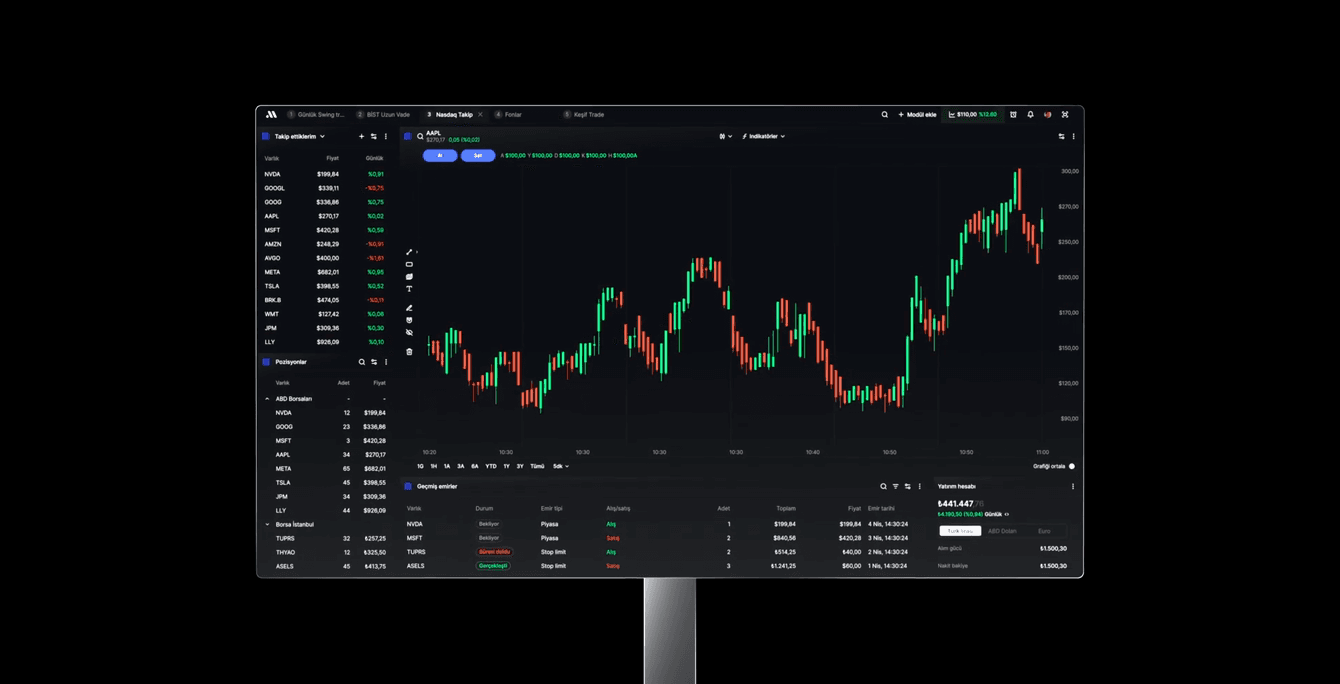
After the first release, we focused on improving the flows that matter most for daily trading.
This included faster order entry, ordering from the ladder, closing or flipping positions quickly, and making repeated trading actions easier to complete.
These improvements were aimed at users who already understood VIOP and needed more speed, control, and confidence during active market hours.
Next project
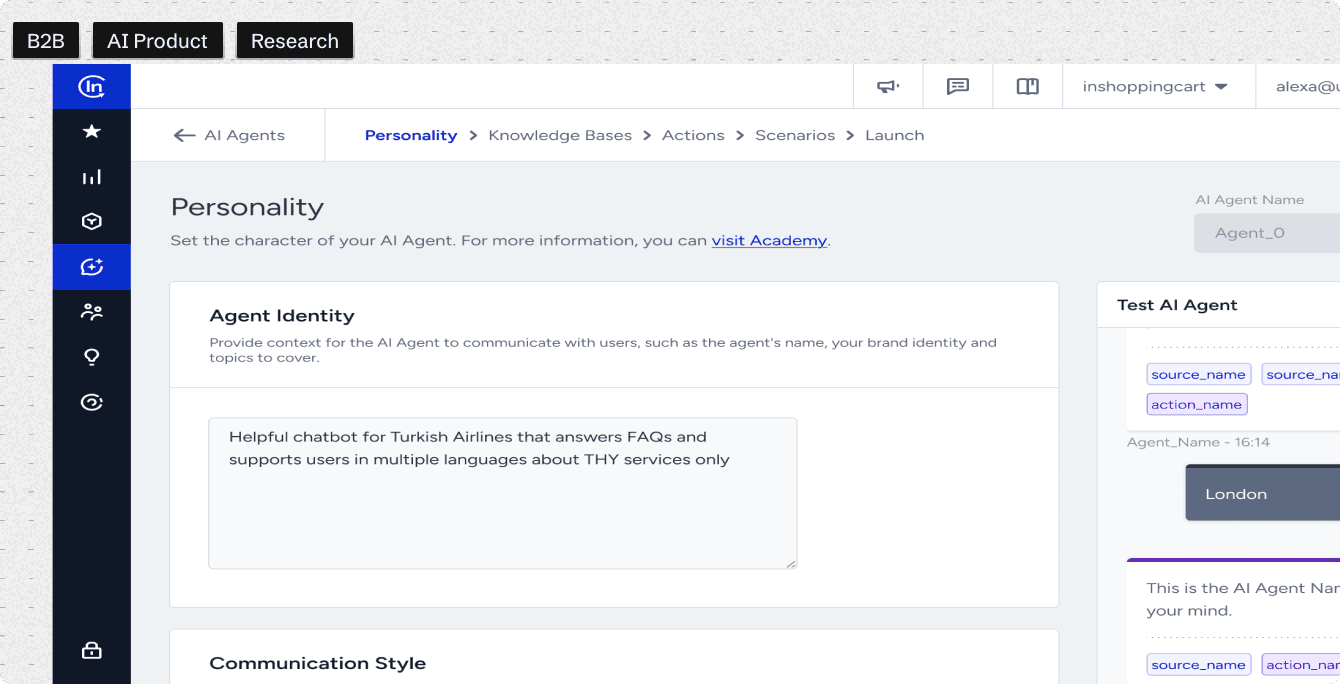
Agent One - AI Customer Service
Designed core workflows for creating, training, testing, and managing AI agents for enterprise support and sales teams.
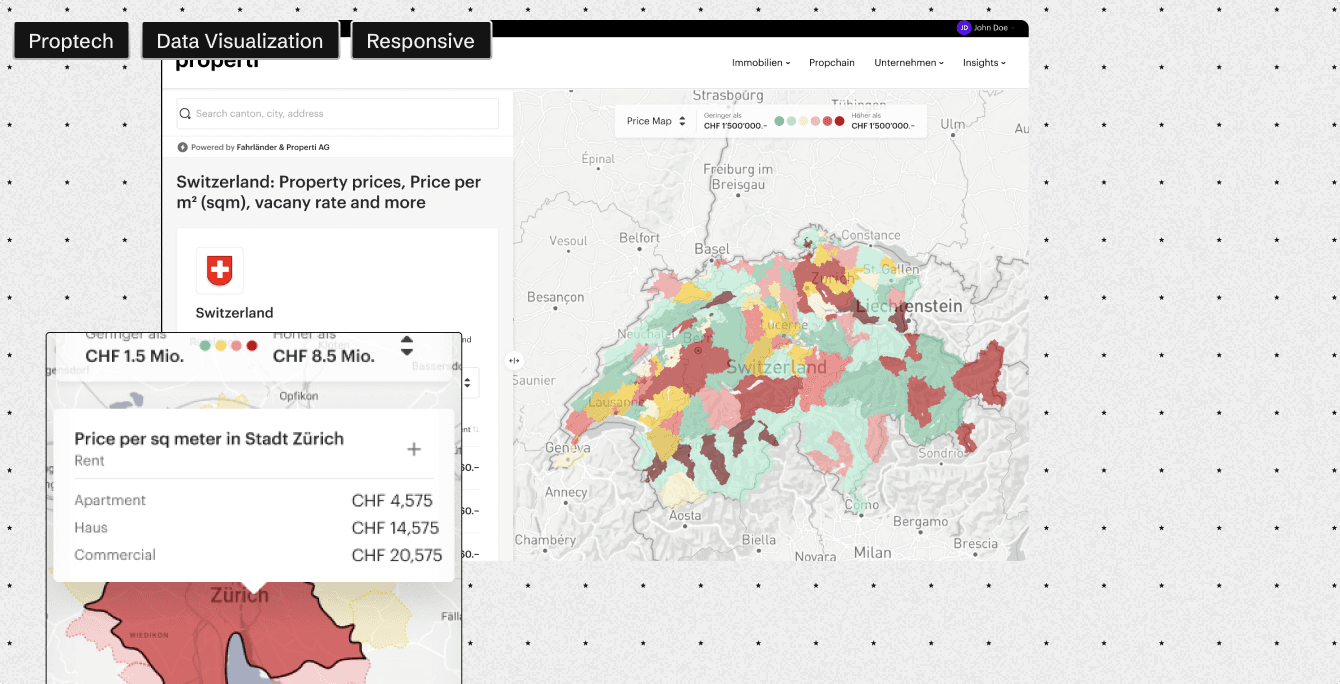
PropIndex - Market Research for Investors
Designed property discovery and market research experiences for professional real estate investors.